June 10, 2026
Stamped concrete is a versatile and aesthetically pleasing option for transforming outdoor spaces. As a durable material, it offers endless design possibilities that can dramatically enhance the appearance of patios, driveways, walkways, and more. Whether you're a homeowner looking to revamp your outdoor living area or a business owner wanting to improve your commercial space, stamped concrete presents an attractive solution. Given its ability to mimic materials like stone, slate, or brick, it proves to be both cost-effective and visually impressive.
The Basics of Stamped Concrete
Stamped concrete is a decorative concrete technique that involves imprinting, texturing, or embossing concrete to resemble other materials such as brick, slate, flagstone, stone, tile, and even wood. It has gained popularity due to its versatility and ability to emulate various materials while maintaining the durability and cost-effectiveness of concrete. The process involves pouring and smoothing the concrete, then pressing a pattern into the surface before it completely dries. This technique allows for a wide range of design possibilities that can suit any architectural style or personal preference. By offering the aesthetic appeal of high-end materials at a fraction of the cost, stamped concrete is a preferred choice for enhancing outdoor spaces.
The process of stamping concrete begins with the preparation of the site, including grading, compacting, and setting of forms to hold the concrete. Once the concrete is poured and smoothed, it is allowed to partially set before the stamping process begins. At this stage, color and texture are applied using color hardeners, release agents, and stamping mats that embed the desired pattern into the surface. It's crucial to work quickly and efficiently as timing is key to achieving the best results in both texture and detail. The final step involves applying a sealant to protect the surface from weather conditions and enhance the color and texture of the new design.
The materials used in stamped concrete include the concrete mix itself, color hardeners, release agents, and sealers. The stamping process requires specific tools such as stamping mats or skins, which come in various patterns and textures to create the desired effect. Other tools used include rollers, float tools, and detailing chisels for when intricate work is necessary. All these materials and tools allow for a broad range of designs that can be tailored to fit any space or style.
Popular Stamped Concrete Patterns
Brick patterns are one of the most traditional looks that can be replicated using stamped concrete. This classic design offers a timeless aesthetic that appeals to both traditional and contemporary home styles. The beauty of brick patterns lies in their ability to complement a wide range of landscaping designs and architectural features. These patterns are known for their ability to emulate the clean lines and varied colors of real brickwork. Stamped concrete offers the appeal of brick without the concerns of uneven surfaces or shifting.
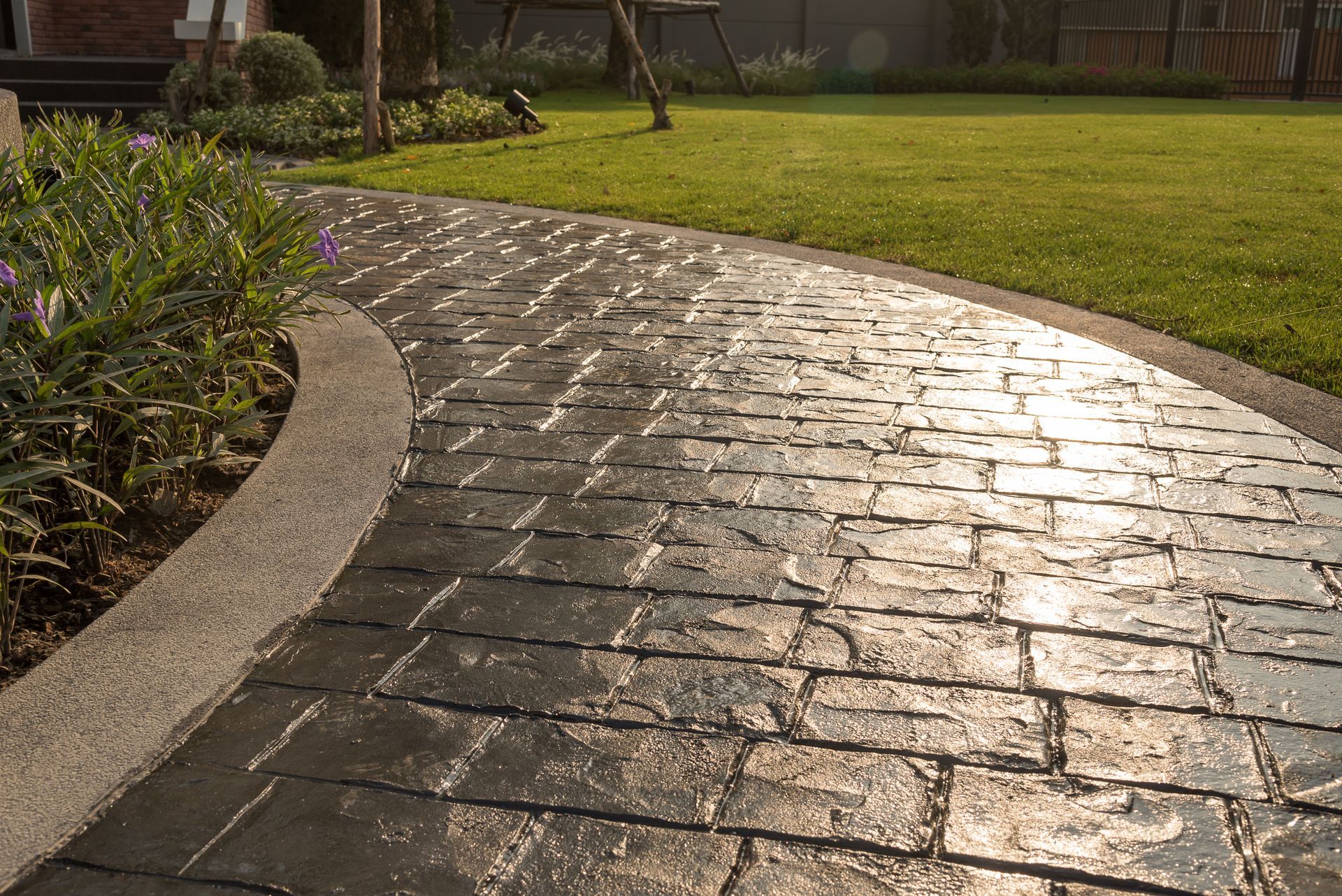
For those seeking a more natural, rugged look, stone and slate patterns are an excellent choice. These patterns mimic the distinctive texture and color variations of natural stone or slate, providing an elegant touch to outdoor spaces. Stone and slate designs are ideal for patios, walkways, and pool decks, creating a sophisticated outdoor living environment. While actual stone can be costly, stamped concrete offers the same look at a fraction of the cost. The authenticity of texture and variation achieved with these patterns often rivals the real material, adding to its allure.
Wood plank patterns create the illusion of wooden floors without the high maintenance requirements of real wood. This pattern is particularly popular for those who want the warmth and coziness of wood with the durability of concrete. The ability to stain the concrete in various shades further enhances its realistic appearance, making it a versatile choice for many design themes. Wood plank patterns work particularly well on decks, patios, and garden paths. With stamped concrete, the challenges of wood decay, insect damage, and frequent refinishing are effectively avoided.
Color Options for Stamped Concrete
Integral color techniques involve adding pigments to the concrete mix before it is poured, resulting in consistent coloration throughout the slab. This method ensures long-lasting color that won't chip or wear away over time, providing a durable foundation for other decorative treatments. Integral colors help to create the desired mood or atmosphere in outdoor spaces, ranging from subtle earth tones to vibrant hues. These colors are resistant to UV light, minimizing fading and maintaining the curb appeal of your property. With integral color techniques, the color choices are as varied as the design possibilities of stamped concrete itself.
Surface coloring methods enhance the visual appeal of stamped concrete by applying colors to the concrete surface after it has been placed and stamped. Techniques such as staining, dyeing, and antiquing provide rich, vibrant colors and intricate shading effects. Stains penetrate the surface, offering a translucent, long-lasting color that won’t chip or flake off. Dyes provide intense colors and are often used in conjunction with stains for a more dramatic effect. Antiquing introduces depth and variation, emulating the irregularities of natural materials like stone or brick.
Maintaining the vibrant color of your stamped concrete over time requires consistent care and attention. Sealants play a vital role in protecting against UV exposure and water damage. Reapplying sealant as recommended helps to preserve both color and texture, ensuring a long-lasting and beautiful surface. Cleaning the concrete regularly with appropriate solutions will also prevent staining and buildup, keeping it looking fresh. According to This Old House, it's wise to set aside an extra $1,000 to $1,200 in your home improvement budget for unexpected costs, including maintenance of features like stamped concrete.
Applications of Stamped Concrete in Outdoor Spaces
Stamped concrete is an ideal material for creating stunning patios and outdoor living areas. Its versatility allows homeowners to design spaces that reflect their personal style, from elegant and formal to rustic and casual. The wide variety of patterns and colors can complement or contrast the surrounding environment for a cohesive or dramatic effect. In addition to its visual appeal, stamped concrete offers durability and easy maintenance, making it perfect for high-traffic areas. As outdoor living spaces become extensions of our homes, stamped concrete provides the ideal foundation for relaxation and enjoyment.
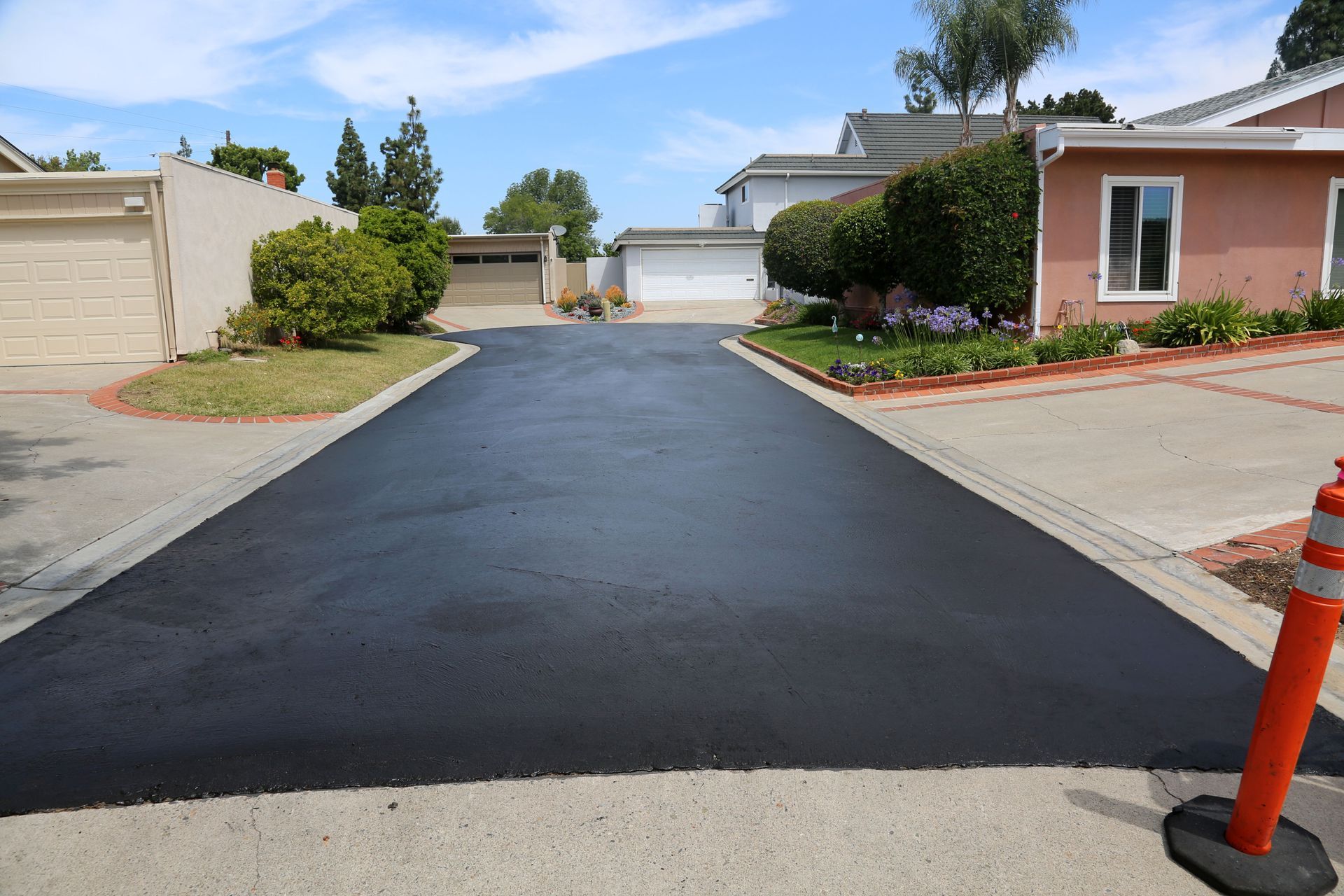
Driveways and entryways serve as the first impression of a property, and stamped concrete transforms these utilitarian areas into welcoming, stylish spaces. With options to mimic luxurious materials such as cobblestone or natural stone, homeowners can enhance their property's curb appeal without incurring high costs. Stamped concrete's durable nature makes it resistant to the wear and tear of vehicles and weather, ensuring a lasting and attractive welcome mat to your home. Aesthetically, it ties together the landscape, guiding visitors seamlessly from the street to the front door. This cohesive look is achieved through careful selection of patterns and colors that resonate with the architecture and environment.
Stamped concrete's accommodating nature makes it the perfect choice for creating enchanting garden paths and walkways. These pathways can wind through gardens, yards, and parks, complementing the fluidity of the natural landscape. With the ability to resemble natural stone or rustic planks, stamped concrete seamlessly integrates with the outdoor setting, adding texture and definition. It provides a sturdy, slip-resistant surface that can handle foot traffic and all weather conditions, ensuring both safety and beauty. Whether lining a formal garden or a woodland retreat, stamped concrete paths guide exploration while enhancing aesthetics.
Proper drainage is crucial when planning and installing stamped concrete, ensuring the longevity and effectiveness of the surface. Design elements such as slope, pitch, and grading should be incorporated to direct water away from structures and high-traffic areas. Consider incorporating permeable joints or drainage solutions to facilitate water absorption, reducing the risk of pooling or flooding. Clear communication with installers about regional weather patterns and water flow expectations ensures drainage is effectively addressed. Effective drainage design protects the
stamped concrete from water damage and increases its lifespan, proving to be a vital component in its planning. Contact Impact Concrete Group today for more information.