October 9, 2026
Exterior home maintenance requires strict observation regarding paved surfaces. Homeowners face difficult decisions concerning property upkeep. The path leading to a garage serves a functional purpose while contributing value to exterior curb appeal. Over time, environmental stress and heavy vehicular loads degrade these structural surfaces. Deciding between a minor localized fix and a massive total overhaul remains a common dilemma for property managers. A concrete driveway represents a significant financial investment, making proper structural evaluation a necessity for homeowners.
Recognizing visible signs of wear helps individuals make informed choices. Superficial flaws might seem like mere cosmetic issues, yet they indicate profound, deeper structural failures. Understanding the difference between repairable surface damage and terminal base decline prevents wasted financial resources. A comprehensive assessment determines the most cost-effective and enduring long-term solution. By examining specific physical indicators, homeowners identify the precise moment an upgrade becomes a necessity for their property.
Evaluating the Severity of Surface Cracks
Small fissures appear on every paved surface over time. Extreme temperature fluctuations cause the solid material to expand and contract, creating microscopic hairline fractures. These tiny superficial imperfections do not pose an immediate threat to overall structural integrity. Routine surface sealing keeps destructive moisture out and prevents additional separation of the material. Maintenance at this preliminary stage requires minimal physical effort and minimal expense.
Wide gaps demand immediate professional attention. When fissures exceed the width of a standard coin, the foundational soundness of the concrete driveway comes into question. Substantial gaps allow massive amounts of water to penetrate beneath the solid slab. Freezing winter temperatures turn this trapped water into solid ice, forcing the rigid material apart. This destructive cycle causes exponential damage with each changing season.
Spiderweb patterns present another concerning visual indicator of failure. A dense network of interconnected fractures suggests the surface lacks the ability to bear standard weight loads. The solid material loses internal cohesion and begins to crumble under standard vehicular pressure. Patching these intricate fracture patterns offers a temporary visual camouflage rather than a permanent structural solution. The underlying base weakness remains present despite various surface application attempts.
Uneven structural sections across a fracture signify a severe underground problem. When a side rests higher than the adjacent side, it creates a tripping hazard for pedestrians. This noticeable unevenness points to major earth movement below the top surface layer. Surface leveling compounds provide fleeting relief before the heavy sections shift out of place again. In these extreme instances, complete material replacement provides a safe and lasting structural resolution.
Examining the Stability of Subgrade Soil
A strong solid surface relies on a secure dirt foundation. The earth beneath a heavy slab must provide consistent upward support across the whole paved area. Soil erosion creates empty underground voids, leaving heavy sections suspended in the open air. Without proper dirt support, the rigid material snaps under the weight of heavy vehicles. Detecting these hollow hidden spaces prevents catastrophic sudden collapses.
Substandard initial installation leads to long-term foundation issues for property owners. Builders must compact the underlying soil before pouring any wet material. Loose earth settles out of place, creating an uneven base layer. According to This Old House, the ideal thickness for a concrete driveway is six inches. This required thickness demands a solid, unyielding bed of compacted dirt to prevent snapping under heavy stress.
Frost heave alters the landscape in colder climate zones. Underground moisture freezes into ice and creates upward force against the rigid slab. The physical force fractures the surface and disrupts the alignment of individual poured sections. When the frozen ground thaws, the earth recedes, leaving the heavy slabs unsupported from below. This ongoing seasonal ground movement destroys the essential foundational integrity of the structure.
Intrusive tree roots present a biological threat to underground foundation stability. Large roots grow in horizontal directions seeking moisture, pushing immense upward force against buried rigid structures. The intense pressure from growing roots lifts and fractures the thickest surface slabs. Cutting the intrusive roots might harm the adjacent tree, complicating the mitigation process for the homeowner. Property owners must weigh the aesthetic value of the landscaping against the fundamental need for a flat paved surface.
Assessing the Impact of Water Drainage
Proper water management dictates the ultimate lifespan of residential exterior paving. Surfaces must feature a slight downward slope to direct rainwater from adjacent structures. Standing water indicates a severe failure in this essential drainage design. Puddles that remain days after a rainstorm seep into the microscopic surface pores of the material. This prolonged moisture exposure weakens the internal chemical bonds of the structure.
Pooling surface water leads to extreme surface spalling and material flaking. The top smooth layer loses structural adhesion and breaks away in rough patches. This visual degradation exposes the rough underlying aggregate, creating an unsightly and uneven texture. Resurfacing pastes cover the superficial blemishes, but poor initial drainage guarantees the structural damage returns. Correcting the pitch is imperative for a long-lasting concrete driveway.
Rainwater directing toward a house foundation creates distinct interior hazards. A sunken rigid slab acts as a giant funnel, channeling rain into vulnerable basements or structural crawlspaces. This misdirection transforms a simple surface issue into a profound structural home hazard. Lifting the slab through specialized mudjacking attempts to correct the improper angle. Severe structural sinking necessitates tearing out the old material and starting a new installation.
Exterior gutter downspouts must channel roof water from the fragile edges of the slab. Continuous streams of falling water wash away the supporting dirt along the exposed borders. The unsupported edges become brittle and break off under standard pressure. Installing proper drainage pipes mitigates this soil erosion issue. Addressing excessive moisture accumulation eliminates a primary root cause of major structural failure.
Analyzing the Age of Existing Materials
Every common construction material possesses a maximum functional structural lifespan. With flawless ongoing maintenance, heavy slabs reach the end of their usability. Decades of harsh sun exposure, massive vehicle weight, and extreme weather events degrade the core physical properties. The internal binder loses essential strength, leading to a brittle and fragile driving surface. Recognizing this natural aging process helps homeowners plan for inevitable major upgrades.
Frequent required repairs signal the inevitable end of a concrete driveway lifecycle. Fixing an isolated fracture makes financial sense, but chasing endless new cracks becomes a futile ongoing endeavor. The cumulative cost of constant patching approaches the total price of a total replacement. Throwing financial resources at a deteriorating structure yields diminishing returns. A fresh material installation provides a clean structural slate and undeniable peace of mind.
Modern installation techniques offer profound structural improvements over older historical construction methods. Advanced modern wet mixtures incorporate stronger chemical binders and essential weather-resistant additives. Upgrading allows residential property owners to benefit from these specific modern advancements in material science. Newer structural designs incorporate superior hidden reinforcement grids. These hidden structural steel enhancements provide immense durability unavailable during previous historical residential construction eras.
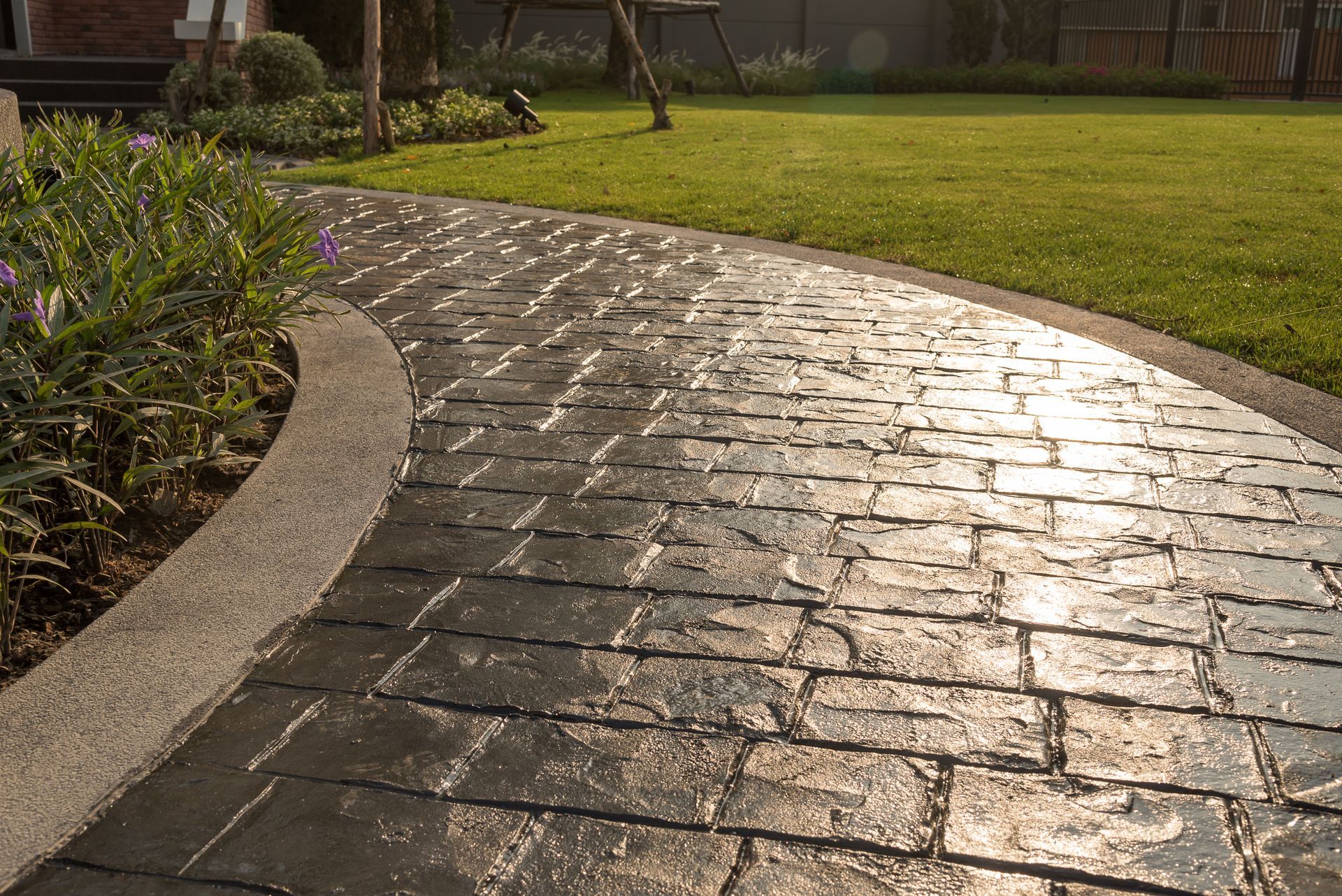
Aesthetic exterior preferences change over time alongside visible structural degradation. An aged, stained surface detracts from the overall visual appeal of a residential property. Fresh material installations offer distinct opportunities to alter the physical layout or add decorative stamped surface patterns. A full replacement transforms a visual eyesore into an attractive architectural exterior feature. The final decision to upgrade revitalizes the entire exterior residential landscape.
Choosing between a simple localized fix and a comprehensive material overhaul dictates the future stability of the residential exterior. Small structural interventions prolong the overall lifespan of a healthy existing structure. Widespread terminal failure demands the total removal of compromised old materials. Investing in a new concrete driveway ensures a safe, durable, and attractive exterior surface. Careful structural analysis guides residential property owners toward the best possible outcome for their real estate. Contact us at Impact Concrete Group today, and we will gladly evaluate whether your surface needs a simple repair or a full replacement. We are ready to construct the durable concrete driveway your home deserves.