April 10, 2026
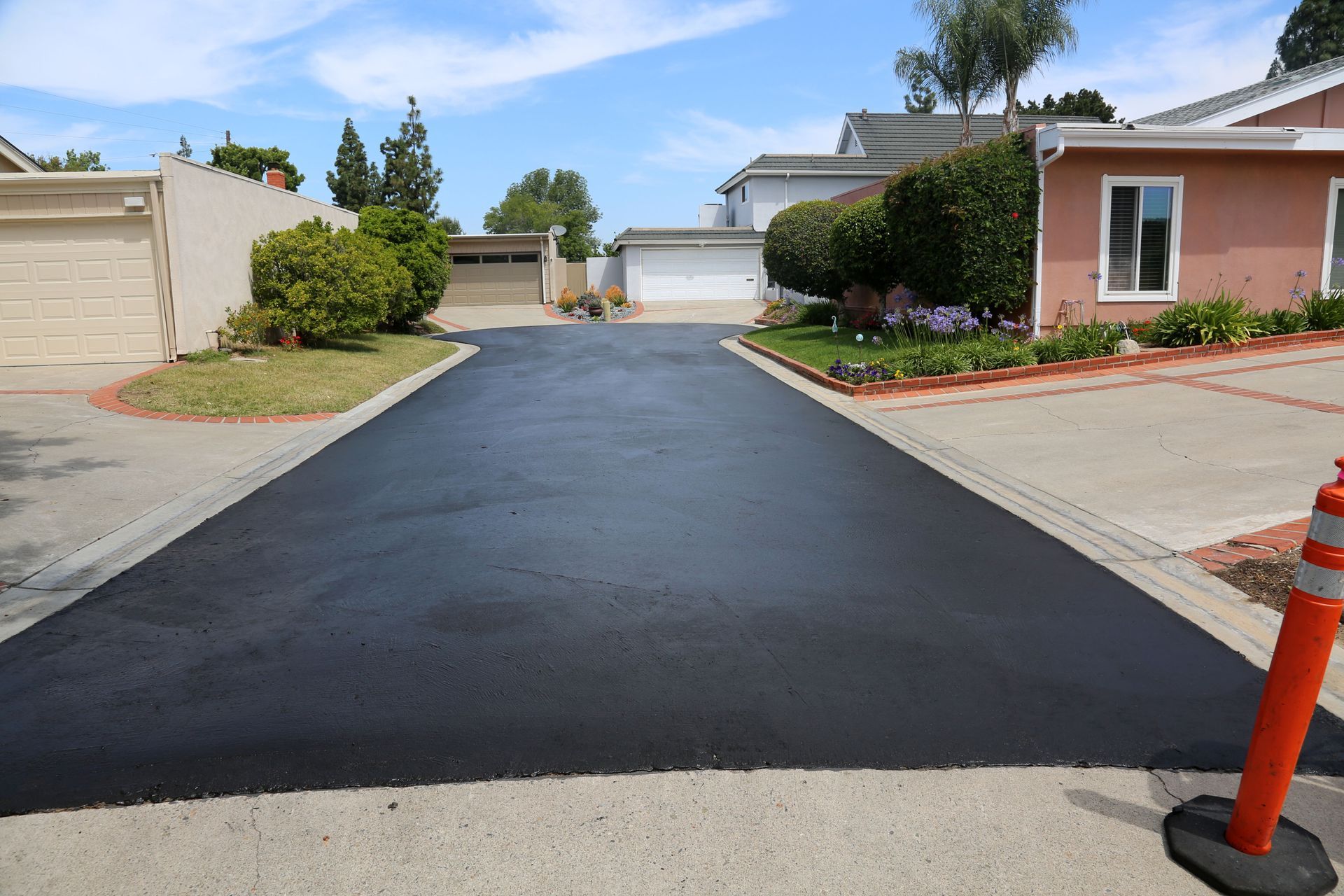
In this article, we will explore the various strategies that a concrete driveway contractor uses to ensure the durability of their projects. According to Forbes, your driveway should be sealed every two to five years. From selecting quality materials to implementing rigorous testing protocols, these professionals play a crucial role in creating long-lasting driveways, so they last as long as they should. By understanding the intricacies involved in the process, homeowners can appreciate the importance of choosing an experienced concrete driveway contractor who prioritizes durability over everything else. This comprehensive guide will delve into each step of the process, highlighting key factors that contribute to a sturdy and long-lasting driveway. As we move forward, the principles discussed will provide insight into how the combination of material science and strategic planning drives the success of concrete driveway projects.
Choosing the Right Materials
Understanding Concrete Mix Ratios
The foundation of any durable concrete driveway starts with the correct mix of concrete. The concrete mix ratio, which is the proportion of cement, water, and aggregates, significantly influences the strength and longevity of the driveway. A concrete driveway contractor relies on a standardized approach that tailors the concrete mix to site-specific requirements, thus ensuring optimal performance. A mix with the right ratio enhances the driveway's capacity to withstand weight and resist damage from environmental factors such as freeze-thaw cycles. Understanding these ratios is crucial for contractors aiming to achieve a balance between workability and durability.
For most residential driveways, a mix ratio of 1:2:3 (cement: sand: gravel) with a water-cement ratio of 0.45 is often used. This mix delivers the necessary strength while allowing adequate workability for ease in pouring and finishing. Adjustments may be made to this basic formula based on the specific use requirements such as heavy-duty usage or exposure to harsh elements. The use of supplementary cementitious materials like fly ash can further enhance durability and workability. An experienced concrete driveway contractor meticulously analyzes these ratios to ensure they meet structural and aesthetic goals for any given project.
The Role of Aggregates
Aggregates form the bulk of a concrete mix, making their quality and characteristics vitally important to durability. They provide compressive strength and limit shrinkage, critical factors in preventing cracking. Size, shape, and texture matter greatly — with larger, angular aggregates offering better interlocking capabilities which translate to a stronger, more cohesive slab. A concrete driveway contractor carefully selects aggregates to complement the environment and load-bearing requirements of a driveway. The source of the aggregate is another vital consideration; thus, contractors choose reputed suppliers to avoid impurities that could compromise the mix.
Using a graded mix of coarse and fine aggregates allows for better packing, reducing voids, enhancing strength, and improving durability. Fine aggregates mainly consist of natural sand or crushed stone screenings and are combined with coarser aggregates to form a complete mix that can resist the pressures of daily use. The texture and size of aggregates play a role in the desired surface finish, affecting not just aesthetics but also performance. With the correct selection and application, aggregates significantly contribute to a driveway's ability to endure over decades. Proper aggregate grading also influences the smoothness and uniformity of the finished surface.
Importance of Admixtures
Admixtures are crucial in enhancing the properties of concrete, making them a key consideration for a concrete driveway contractor aiming to achieve durability. These chemical additives modify the behavior of fresh and hardened concrete and can address specific issues such as setting time, workability, and freeze-thaw resistance. In driveways, admixtures might be utilized to improve air entrainment, which helps concrete resist the expansion caused by freezing water within its structure. By preventing cracks and improving overall structural integrity, admixtures offer a way to optimize the performance of a driveway, extending its lifespan.
Shrinkage-reducing admixtures address common issues related to drying shrinkage cracking. This type of cracking is a significant concern as it impacts both the appearance and the structural integrity of concrete surfaces. By minimizing shrinkage, these admixtures enhance the driveway's resistance to environmental fluctuations over time. Retarding admixtures, conversely, might serve to slow down the curing process in hot weather conditions, preventing premature hardening that can lead to weak spots or surface defects. By strategically selecting and balancing these admixtures, a concrete driveway contractor tailors concrete to precise environmental and usage conditions.
Preparing the Site and Planning
Conducting Soil Analysis
Soil analysis is an indispensable step in site preparation before laying a concrete driveway. It involves understanding the soil's properties to predict how it will interact with the concrete slab above. Soil with too much clay, for instance, can expand and contract significantly with moisture changes, leading to cracking. Conducting a proper analysis allows contractors to mitigate potential issues by improving soil quality or incorporating design solutions such as flexible expansion joints. The soil's bearing capacity must support the intended load to prevent future shifting or settling that could damage the concrete.
The results from soil analysis guide the rest of the preparation and construction processes. With accurate data, contractors choose the appropriate types of sub-base materials and designs to optimize load distribution. Heavy clay soils, for example, might necessitate additional support through layered compaction. In contrast, sandy soils that drain well could require less reinforcement. Ultimately, by understanding and reacting to the distinct characteristics of the building site, a concrete driveway contractor paves the way for stronger, more durable driveways that resist the pressures exerted by both man and nature.
Drainage Considerations and Solutions
Effective drainage is a pivotal factor in maintaining the durability of a concrete driveway. Without proper drainage, water can gather beneath the concrete slab, leading to erosion, undermining the subgrade, and ultimately causing the slab to crack. A concrete driveway contractor designs driveways with a slight slope to facilitate water movement away from the surface and direct it towards suitable outlets. Often overlooked, this careful consideration prevents the long-term structural problems associated with water damage. Additional drainage strategies, like French drains or channel drains, can be used for areas with particularly high moisture exposure.
Understanding regional climatic conditions and anticipating their impact on the driveway is important for proper drainage planning. For instance, in areas with heavy rainfall, adequate surface drainage to remove water quickly is necessary to protect the integrity of the driveway. Snow melt and freeze-thaw cycles are particularly challenging as they can lead to rapid expansion and contraction. Contractors account for these challenges by integrating specialized solutions that cater to the specific environmental conditions of the site. By actively managing potential excess moisture, the durability of the entire structure is maintained.
Grading and Levelling Techniques
Proper grading and levelling are fundamental to preparing a site for a concrete driveway, impacting both aesthetics and performance. Grading ensures that water efficiently runs off the surface, as standing water can lead to damage over time. Contractors level the area to create a flat surface while ensuring that the driveway slopes slightly away from the home to direct water safely away from foundations. Techniques such as using a laser level for precise grading help to attain exact slopes and elevations. By achieving the correct grading and levelling, contractors lay the groundwork for a visually appealing and functionally effective driveway.
In conclusion, durable concrete driveways rely on expert material selection, precise mix ratios, and thorough site preparation. From soil analysis to proper drainage and grading, each step plays a vital role in longevity. By working with a skilled concrete driveway contractor and following proven practices, homeowners can ensure a strong, long-lasting driveway that withstands time. Contact Impact Concrete Group.